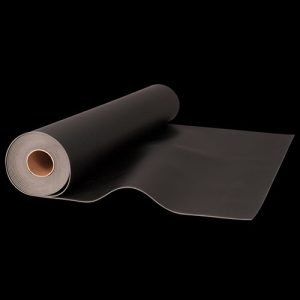
They are widely used in homes, offices, factories, recording studios, schools, restaurants, roadsides, and commercial buildings. Sound barriers can help reduce traffic noise, machinery sounds, loud conversations, music, and noise travelling between rooms or floors. This creates a quieter, more private, and more comfortable environment for occupants.
For the best results, sound barriers should be selected and installed according to the type and level of noise present. Gaps, cracks, doors, and windows must also be properly sealed because sound can travel through small openings. When professionally installed, sound barriers provide durable noise reduction and improve the overall acoustic performance of a building or outdoor space.
Sound barriers are specialised structures or materials designed to reduce the amount of noise travelling from one area to another. They work by blocking, reflecting, or weakening sound waves before they reach nearby spaces. These barriers are useful in environments where unwanted noise affects comfort, privacy, concentration, or productivity.
Sound barriers are manufactured from dense materials that are difficult for sound waves to pass through. Common materials include acoustic membranes, mass-loaded vinyl, soundproof plasterboard, concrete, metal, laminated glass, timber, and insulated acoustic panels. The heavier and denser the material, the more effective it can be at limiting sound transmission.
Indoor sound barriers are commonly installed inside walls, ceilings, floors, doors, and partitions. They help reduce noise travelling between bedrooms, offices, meeting rooms, studios, classrooms, and entertainment areas. This makes them especially valuable in shared buildings, apartments, hotels, hospitals, and commercial properties.
Outdoor sound barriers are often used near highways, factories, construction sites, generators, and industrial equipment. They help protect nearby homes, offices, and public spaces from excessive traffic and machinery noise. Outdoor barriers must be positioned correctly and built at a suitable height to interrupt the direct path of sound.