
Drywall Soundproofing
What Is Drywall Soundproofing?
Drywall Soundproofing is a practical solution used to reduce unwanted noise between rooms, offices, apartments, studios, and commercial spaces. It works by adding sound-resistant materials to wall systems so that less sound can travel through the structure. Many buildings have standard drywall that does not provide enough acoustic protection, especially in busy environments where conversations, music, machines, footsteps, or outside traffic can easily pass through. Drywall Soundproofing improves comfort by limiting noise transfer and creating a quieter indoor space. It is especially useful for people who need privacy, focus, and better sound control without completely rebuilding a room. When installed properly, it can make a noticeable difference in both residential and business environments.


Benefits of Drywall Soundproofing
Where Drywall Soundproofing Can Be Used
Materials Used in Drywall Soundproofing
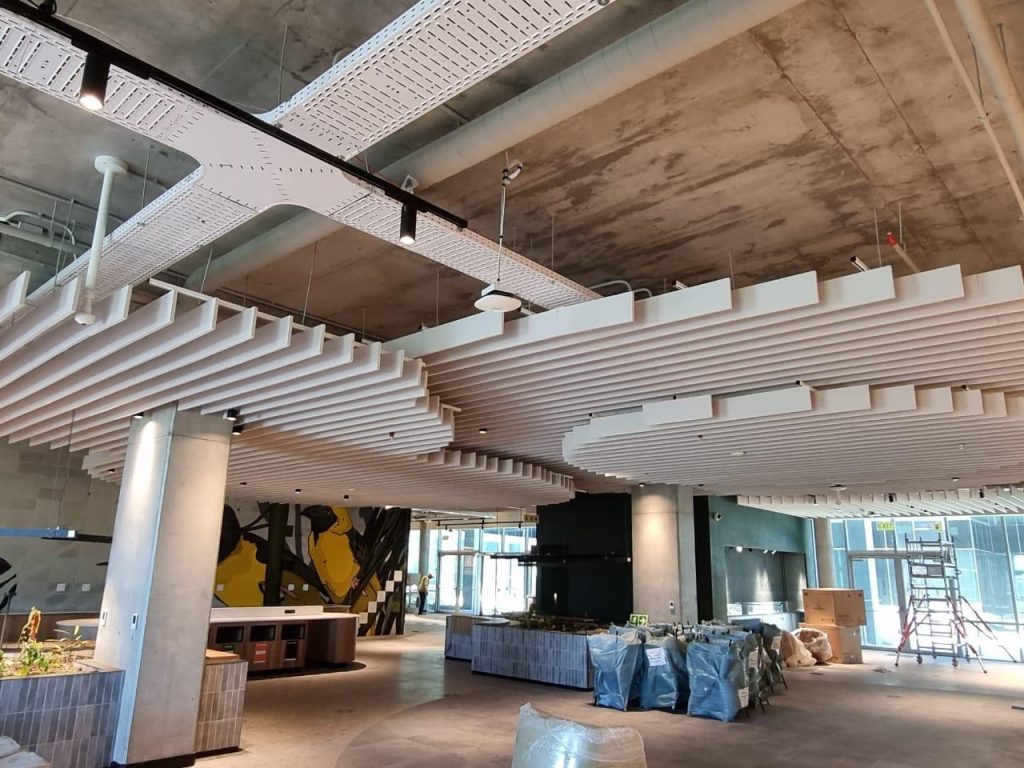
Drywall Soundproofing can include different materials depending on the level of sound control required. Common options include acoustic insulation, double-layer drywall, resilient channels, sound isolation clips, mass-loaded barriers, and acoustic sealants. These materials work together to reduce sound vibration and block noise from passing through gaps or weak points in the wall. Even small openings around joints, sockets, doors, and ceiling lines can reduce the performance of a soundproof wall, which is why proper installation is important. The best results usually come from combining sound absorption, mass, and vibration control. A professional assessment helps determine the right method based on the room size, wall structure, noise source, and desired acoustic outcome.


CONTACT OUR SALES TEAM TODAY!
Our Sales Consultants are waiting to assist you. Get in touch with us for all your acoustic needs. Alternatively call us on 0785625428