
Soundproofing Walls: Practical Solutions for Noisy Rooms
Soundproofing Walls: Practical Solutions for Noisy Rooms
Unwanted noise from neighbouring rooms, televisions, traffic, or busy workplaces can affect comfort and concentration. Soundproofing walls can help reduce noise transmission and create a more peaceful indoor environment. The best solution depends on the wall structure, the source of the noise, and the level of sound reduction required.
Mandi Acoustics helps clients explore acoustic solutions for different building environments. Understanding the available methods can help you choose a suitable approach for your home, office, or commercial property.
What Is Wall Soundproofing?
Wall soundproofing involves improving a wall’s ability to limit sound travelling from one space to another. It can involve adding mass, installing acoustic insulation, separating wall layers, and sealing gaps where sound may escape.
Effective results usually depend on combining suitable materials and construction methods. Simply attaching a lightweight panel to a wall may reduce echo inside a room, but it will not necessarily stop sound from passing through the wall.

Common Causes of Noise Through Walls
Before choosing a solution, identify where the noise comes from. Common sources include:
Conversations and television sounds from adjoining rooms.
Traffic and other outdoor noise.
Machinery and equipment in commercial or industrial buildings.
Music and entertainment systems.
Noise travelling through gaps, doors, ceilings, and shared building structures.
Identifying the source helps determine whether you need better sound insulation, improved room acoustics, or a combination of both
5 Practical Solutions for Soundproofing Walls
1. Add Acoustic Insulation
Acoustic insulation, such as mineral wool or glass wool, can be installed inside a suitable wall cavity. It helps absorb sound energy within the cavity and can improve the performance of a properly designed wall assembly.
This option is particularly useful during new construction or renovation when the wall structure is accessible. However, insulation alone will not make every wall soundproof. Its effectiveness depends on the complete wall design.
2. Add an Extra Layer of Drywall
Adding another layer of drywall can increase the wall’s mass, helping it resist airborne sound transmission. This approach may be suitable for certain existing walls and renovation projects.
For better results, consider the complete assembly, including joints, framing, and any suitable damping materials. Additional layers also increase wall thickness and weight, so check that the existing structure can accommodate them.
3. Use Acoustic Isolation Systems
Some soundproofing systems use resilient channels, isolation clips, or independent framing to reduce direct vibration transfer between wall layers.
These methods can improve sound isolation when correctly designed and installed. They are worth considering when ordinary wall construction does not provide enough noise reduction, although they may require additional space and building work.
4. Seal Gaps and Openings
Sound can travel through small openings around wall edges, electrical outlets, pipes, and other penetrations. Sealing suitable gaps can help prevent these weak points from undermining the wall’s performance.
Use appropriate acoustic sealants and follow applicable fire-safety requirements. Electrical work and sealing around services should be handled safely and in accordance with relevant building regulations.
5. Treat Echo Inside the Room
Acoustic wall panels and other sound-absorbing materials can reduce reflections inside a room. They are useful when a space sounds echoey or conversations are difficult to understand.
However, sound absorption is different from soundproofing. Panels designed to reduce echo will not necessarily prevent neighbours from hearing conversations through a shared wall. Choose the treatment that matches your actual noise problem.
How to Choose the Right Wall Soundproofing Solution
Every building has different acoustic requirements. Consider these factors before selecting materials or arranging installation.
Identify the noise source: Determine whether you are dealing with speech, music, traffic, or structural vibration.
Inspect the existing wall: The construction material, thickness, cavities, and condition will affect the available options.
Set a realistic performance target: Decide whether you need improved speech privacy, reduced everyday noise, or a higher level of sound isolation.
Consider available space: Additional wall layers and independent framing can reduce the usable floor area.
Check material performance: Ask for relevant test information about the proposed wall assembly rather than relying only on product descriptions.
Plan for professional installation: Correct detailing is essential because gaps and rigid connections can reduce the effectiveness of an otherwise suitable system
Soundproofing Walls in Homes and Offices
Residential Properties
Noise from adjoining rooms, neighbours, or home entertainment systems can affect privacy and relaxation. Depending on the wall structure, suitable options may include additional drywall, cavity insulation, sealing, or a separate wall lining.
Offices and Meeting Rooms
Businesses may need better speech privacy between offices, boardrooms, and shared workspaces. Wall upgrades can help reduce sound transmission, while acoustic panels can manage echo within the rooms themselves.
Recording Studios
Studios often require more specialised construction because music and low-frequency sounds can be difficult to isolate. Wall treatments may need to work alongside acoustic doors, ceilings, floors, and ventilation systems.
Commercial and Industrial Buildings
Machinery, equipment, and busy operations can generate significant noise. A suitable wall system should be selected according to the noise source, building requirements, and intended use of the adjoining spaces.
Soundproofing Walls vs Acoustic Wall Panels
Although these solutions are related, they serve different purposes.
Soundproofing focuses on limiting sound transmission between spaces. It may involve mass, insulation within a suitable wall assembly, vibration isolation, and effective sealing.
Acoustic wall panels primarily absorb sound reflections within a room. They help reduce echo and improve speech clarity.
For example, if you can hear conversations through a shared office wall, you may need better sound isolation. If the office itself sounds loud and echoey, acoustic panels may help improve its internal acoustics.
Some spaces benefit from both approaches.
Common Mistakes to Avoid
Avoid these mistakes when planning a noise reduction project:
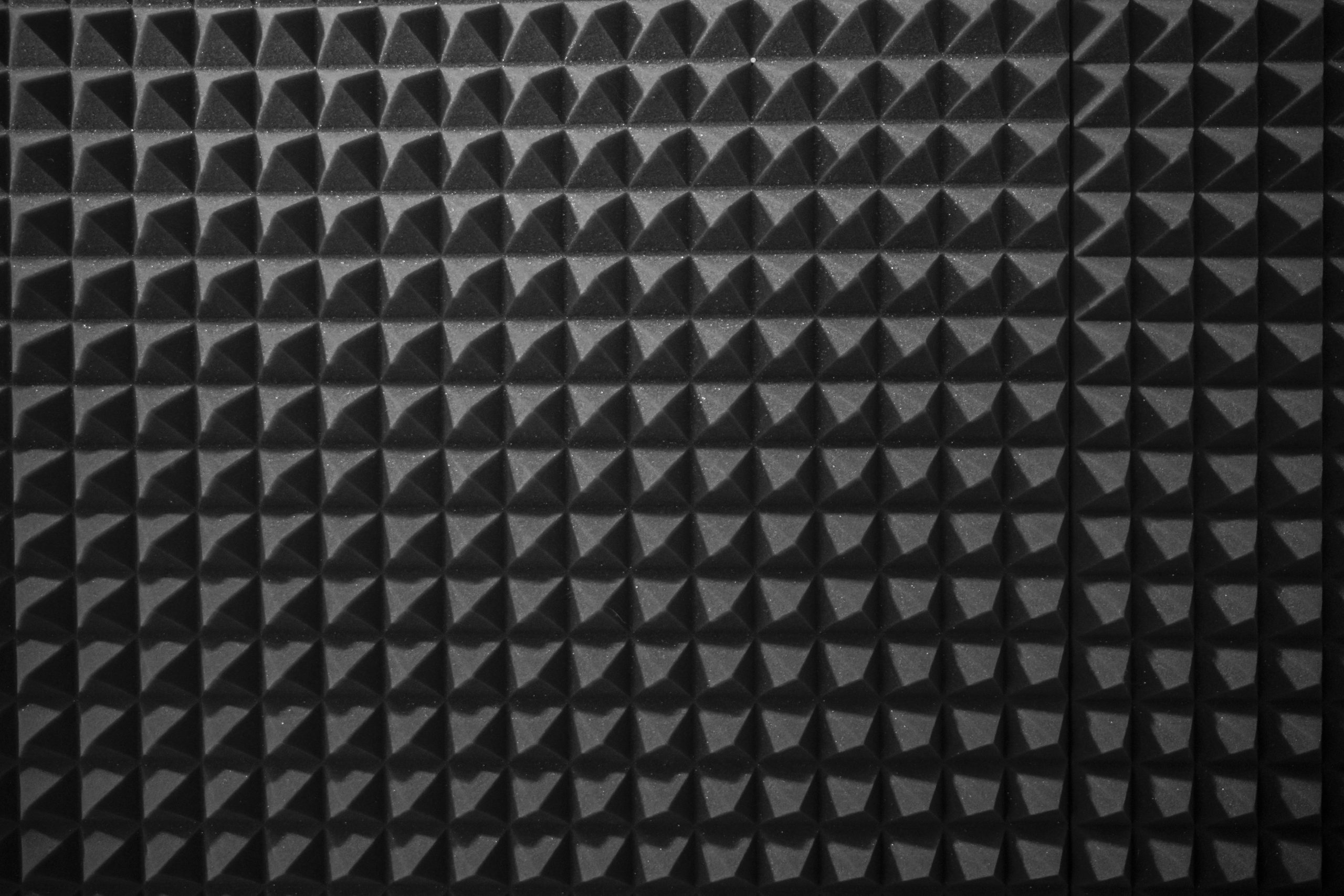
Assuming that acoustic foam will block sound through a wall.
Adding insulation without considering the rest of the wall assembly.
Ignoring gaps around outlets, pipes, doors, and wall edges.
Choosing materials without checking their acoustic performance.
Overlooking ceilings, floors, and adjoining structures that may transmit sound.
Attempting complex wall modifications without appropriate technical guidance.
A careful assessment helps prevent unnecessary costs and improves the chance of achieving the desired result.


Why Professional Acoustic Advice Matters
The most suitable solution depends on the type of noise, the building structure, and your performance requirements. A method that works well for speech may not be sufficient for machinery or low-frequency music.
Professional guidance can help identify the main sound transmission paths and determine which materials or construction methods are appropriate. Correct installation is equally important for achieving reliable results.
Explore Soundproofing Solutions with Mandi Acoustics
Persistent noise can make homes and workplaces less comfortable. The right wall system can help reduce unwanted sound transmission when it is selected, designed, and installed correctly.
Mandi Acoustics can help you explore acoustic solutions for your property or project.
Contact Mandi Acoustics today to discuss your acoustic panel requirements and find the right solution for your space.