
Soundproofing Panels: How to Choose the Right Ones
Soundproofing Panels: How to Choose the Right Ones
Unwanted noise can affect concentration, privacy, and comfort in homes, offices, and commercial buildings. Choosing the right soundproofing panels can help address specific noise problems, but the best option depends on how sound travels through your space.
Mandi Acoustics helps clients explore acoustic solutions for different environments. Understanding panel materials, performance, and applications can help you make an informed decision and achieve better results.
What Are Soundproofing Panels?
Soundproofing panels are products used in noise control, although different panels serve different purposes. Some are designed to absorb sound reflections inside a room, while other specialised systems contribute to reducing sound transmission between spaces.
Acoustic wall panels commonly help control echo and reverberation. Reducing noise travelling through walls may require a more comprehensive system involving additional mass, insulation, acoustic seals, or vibration isolation.
Before choosing a product, identify whether your main problem is noise inside a room or sound entering from another space.
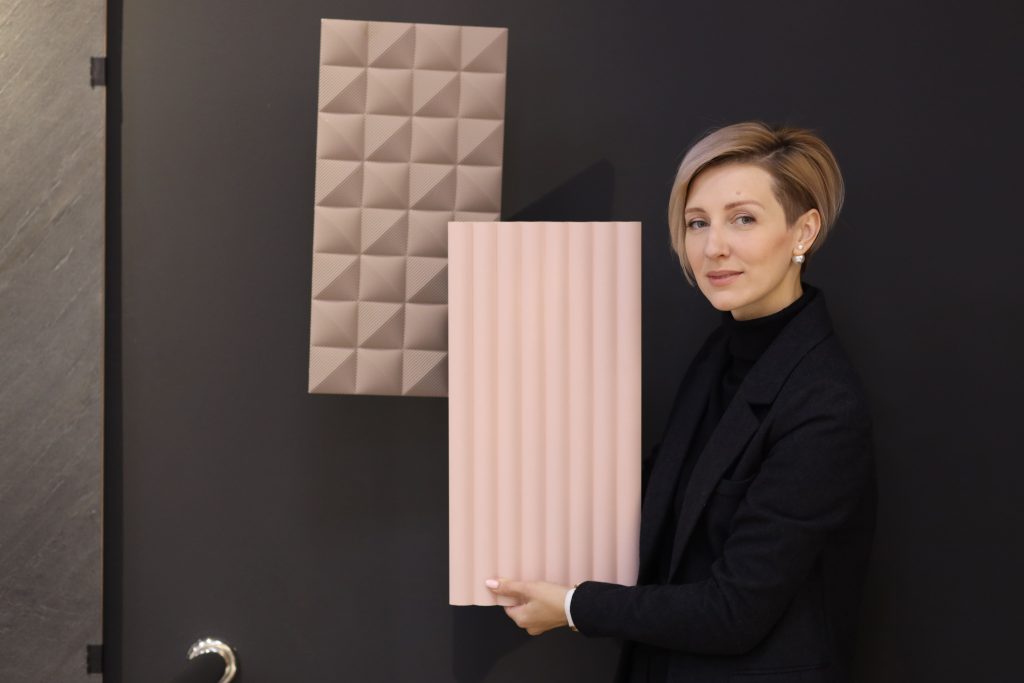

Benefits of Choosing the Right Panels
The right acoustic treatment can improve the comfort and functionality of your environment.
Reduced echo: Sound-absorbing panels help control reflections from hard surfaces.
Clearer conversations: Better room acoustics can make speech easier to understand.
Improved concentration: Managing reverberation can make busy workspaces more comfortable.
Greater privacy when combined with suitable isolation: The correct wall or ceiling system can help reduce sound transmission between rooms.
Flexible interior design: Many acoustic panels are available in different colours, shapes, sizes, and finishes.
The benefits depend on the product, its installation, and the acoustic requirements of the space.
Types of Panels to Consider
Different products are suited to different noise control objectives. Understanding their functions helps you avoid choosing a solution that does not address your problem.
1. Acoustic Wall Panels
Acoustic wall panels absorb sound reflections and help reduce echo within a room. They are useful in offices, boardrooms, reception areas, classrooms, and other shared spaces.
These panels are particularly suitable when hard surfaces cause excessive reverberation. However, they do not automatically prevent sound from travelling through walls.
2. Acoustic Foam Panels
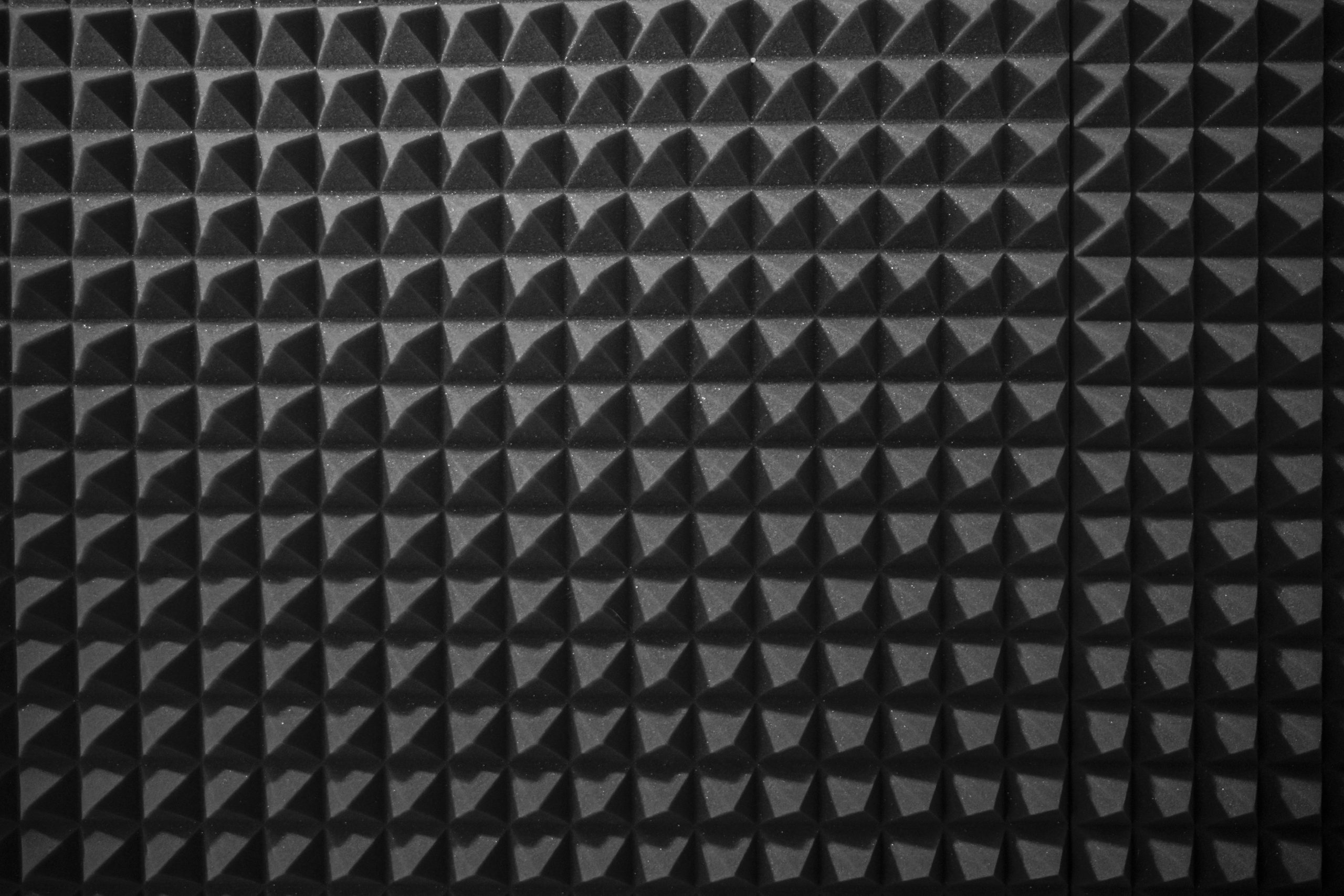
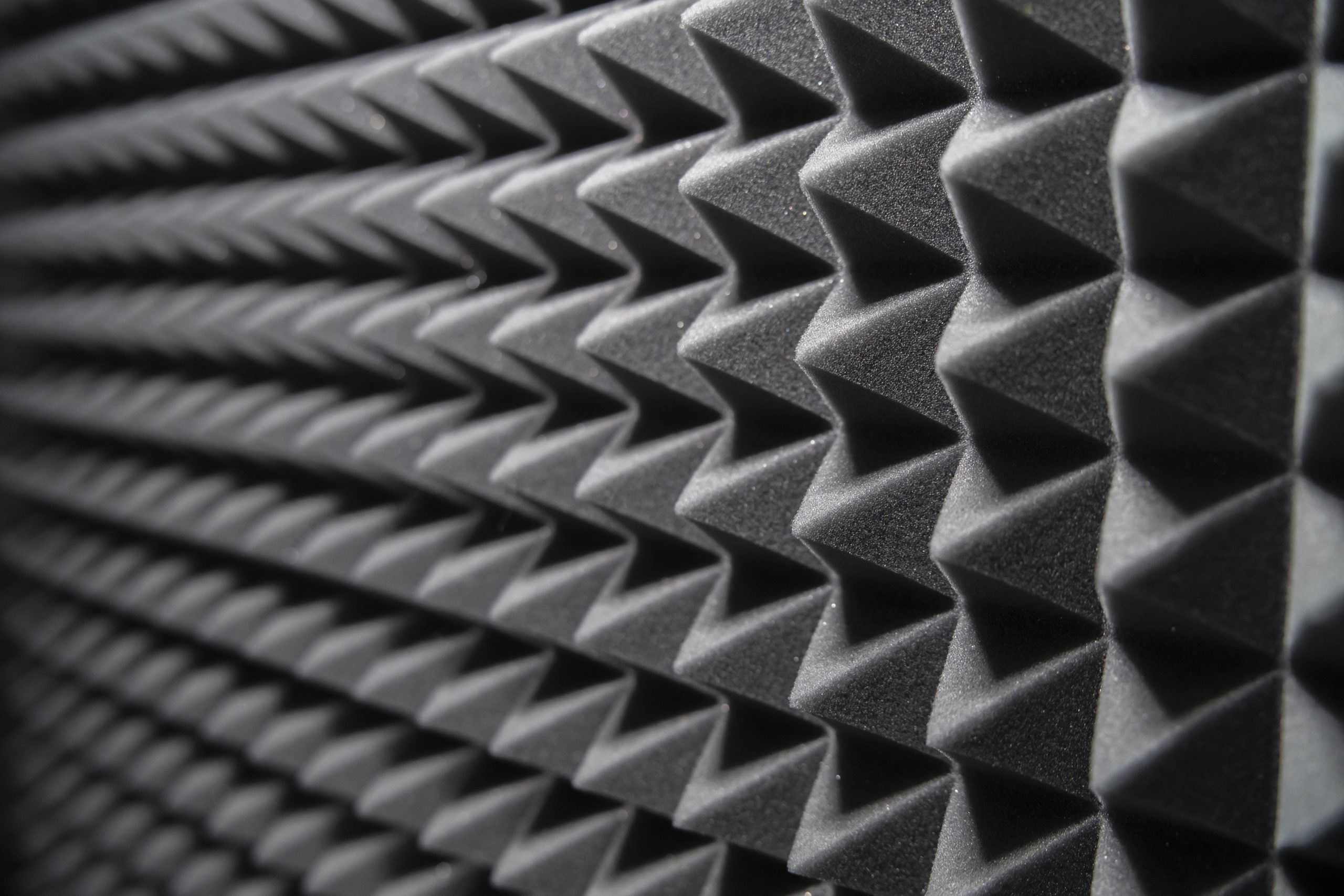
Acoustic foam is commonly used to absorb sound reflections, particularly in certain recording and practice environments. Its performance depends on factors such as thickness, material properties, and installation.
Foam can help manage room acoustics, but it is not a substitute for a properly designed sound isolation system. Choose products that meet the safety and fire-performance requirements of your application.
3. Insulated Wall Systems
Where noise travels between adjoining rooms, an insulated wall system may be more appropriate than a surface-mounted panel alone.
These systems can incorporate acoustic insulation, additional plasterboard layers, suitable framing, and effective sealing. Their overall performance depends on how the components work together.
4. Ceiling Acoustic Panels
Noise and sound reflections can also affect spaces with hard or high ceilings. Ceiling-mounted acoustic panels or suspended absorbers can help manage reverberation in offices, meeting rooms, and larger commercial environments.
The best configuration depends on the room’s dimensions, ceiling height, and existing finishes.
How to Choose the Right Soundproofing Panels
Selecting suitable products requires more than comparing prices or appearances. Consider these important factors before purchasing.
1. Identify Your Noise Problem
First, determine what you want to improve. Is noise entering from a neighbouring room, or does your own room sound echoey?
If you hear conversations through a wall, you may need better sound isolation. If speech sounds unclear because of reflections, sound-absorbing panels may be more suitable.
Identifying the problem helps you choose the correct type of treatment.
2. Check Acoustic Performance
Review the manufacturer’s technical specifications before selecting panels. Sound absorption and sound insulation are different measurements, so make sure the available test data matches your requirements.
The Noise Reduction Coefficient (NRC), for example, is commonly used to describe average sound absorption across specified frequencies. It does not, by itself, tell you how effectively a panel blocks sound travelling through a wall.
For sound isolation, request relevant test information for the complete wall or panel system.
3. Consider Material and Thickness
Panel materials influence sound absorption, durability, appearance, and maintenance. Products may use polyester fibre, mineral fibre, acoustic foam, or other specialised materials.
Thicker panels can improve absorption at certain frequencies, depending on their construction and mounting. However, thickness alone does not guarantee the best performance.
Choose a product based on tested specifications and the type of noise you need to manage.
4. Match Panels to the Room
A small office, a recording studio, and a large conference room have different acoustic needs.
Consider the room’s size, ceiling height, number of occupants, and the materials already present. Glass, concrete, and other hard surfaces can increase sound reflections.
The intended use of the room should guide the panel type, quantity, and placement.
5. Consider Design and Installation
Acoustic panels are available in different designs to suit modern interiors. Consider colour, shape, mounting methods, cleaning requirements, and durability when comparing options.
Correct placement is equally important. Panels should be positioned according to the room’s acoustic characteristics rather than installed randomly.
For complex spaces, professional advice can help determine the appropriate coverage and installation method.
Where Can Soundproofing Panels Be Used?
Offices and Boardrooms
Acoustic panels can help reduce echo and improve speech clarity during meetings and everyday conversations. This is especially useful in rooms with glass partitions and other reflective surfaces.
Homes and Apartments
Panels can improve the acoustic comfort of living rooms, home offices, and entertainment areas. If the problem is noise from neighbouring properties, additional sound isolation may also be necessary.
Recording Studios
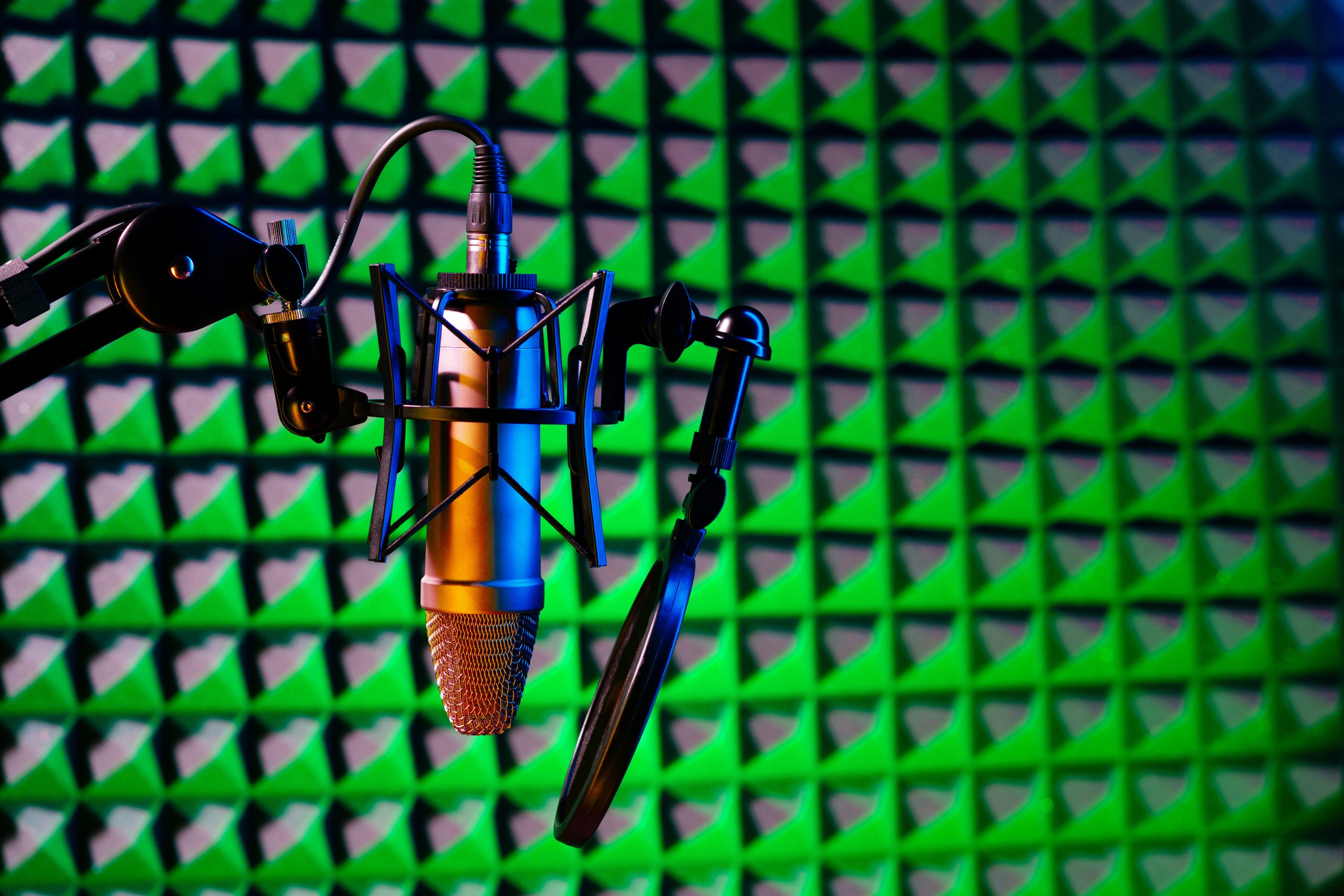
Studios often require careful control of reflections and sound transmission. Absorbing panels can help manage internal acoustics, while specialised wall construction and sealed doors may be needed to improve isolation.
Schools and Training Facilities
Acoustic treatment can help make speech easier to understand in classrooms, training rooms, and presentation areas. The amount and placement of treatment depend on the room layout and intended use.
Commercial and Industrial Spaces
Large or busy environments may require a combination of wall treatment, ceiling absorbers, barriers, and other noise control measures. Product selection should reflect the noise source and the building’s safety requirements.
Soundproofing Panels vs Acoustic Wall Panels
These terms are sometimes used interchangeably, but they do not always describe the same function.
Acoustic wall panels primarily absorb sound reflections within a room. They help control echo and reverberation, improving the way a space sounds.
Sound isolation systems aim to reduce sound travelling between spaces. They may require dense layers, insulated cavities, decoupled construction, and sealed openings.
For example, acoustic panels may improve speech clarity in an echoey boardroom. However, if conversations from an adjoining office remain clearly audible, the separating wall may need additional sound insulation.
Understanding this difference helps you invest in a solution that addresses the actual problem.
Common Mistakes to Avoid
Avoid these common mistakes when choosing acoustic products:
Assuming that all acoustic panels block sound through walls.
Selecting panels based only on appearance or price.
Ignoring product specifications and tested performance.
Expecting a small number of panels to solve every noise problem.
Overlooking gaps, doors, windows, ceilings, and adjoining structures.
Installing products without considering fire safety and maintenance requirements.
A clear assessment of the space can help prevent unnecessary spending and improve the effectiveness of your acoustic treatment.
Why Professional Acoustic Advice Matters
Every environment has different noise control requirements. The most suitable solution depends on the noise source, room construction, available space, and desired result.
Professional guidance can help determine whether you need sound absorption, sound isolation, or a combination of both. It can also help you select suitable materials and plan their placement.
Correct installation is essential because even high-quality products may underperform when used incorrectly.
Find the Right Acoustic Solution with Mandi Acoustics
Choosing the right panels starts with understanding your noise problem. Suitable acoustic treatments can help reduce echo, improve speech clarity, and create more comfortable indoor environments. Where sound travels between rooms, a more comprehensive isolation system may be required.
Mandi Acoustics can help you explore options for your home, office, or commercial project.
Contact Mandi Acoustics today to discuss your acoustic panel requirements and find the right solution for your space.