
Soundproofing: Effective Noise Reduction Solutions
Soundproofing Explained: Effective Ways to Reduce Unwanted Noise
Unwanted noise can disrupt concentration, communication, and comfort in homes and workplaces. Soundproofing helps reduce noise travelling between spaces when the right materials and construction methods are used. Mandi Acoustics offers acoustic solutions to help manage noise in offices, commercial buildings, studios, and other environments.
What Is Soundproofing?
Soundproofing involves using materials and construction methods to limit sound travelling from one space to another. It can help reduce noise from conversations, machinery, traffic, and neighbouring rooms. Effective soundproofing depends on the source of the noise, the building structure, and the level of noise reduction required.
Common methods include adding mass to walls, sealing air gaps, improving wall and ceiling assemblies, and installing suitable acoustic doors or windows. The best approach depends on the specific sound transmission problem.
Why Is Soundproofing Important?
Excessive noise can affect comfort, privacy, and productivity. In offices, unwanted conversations may distract employees. In homes, outside traffic or neighbouring activities can interrupt daily routines. Industrial environments may also require noise control to improve working conditions.
Soundproofing can help address these challenges by reducing the amount of sound passing between spaces. Therefore, choosing the right solution is important for creating a more comfortable environment.
Effective Soundproofing Solutions
Different spaces require different soundproofing methods. Consider the source of the noise and how it travels before choosing a product or system.
1. Soundproofing Walls
Walls can transmit sound when their construction does not provide sufficient sound insulation. Upgrading wall assemblies, adding suitable insulation, and sealing gaps can help reduce sound transmission. The appropriate solution depends on the existing wall structure and the type of noise involved.
2. Acoustic Doors
Gaps around doors can allow sound to pass between rooms. Acoustic doors, when correctly specified and installed with suitable perimeter seals, can help improve sound isolation. They are often considered for meeting rooms, studios, offices, and other spaces where privacy matters.
3. Acoustic Windows
Traffic and outdoor activities can introduce unwanted noise through windows. Suitable acoustic glazing, well-sealed frames, and professional installation can help reduce external noise. The results depend on the glazing specification, frame construction, and existing building conditions.
4. Acoustic Insulation
Acoustic insulation can form part of a soundproofing wall, floor, or ceiling assembly. When combined with appropriate construction methods, it can help improve sound isolation. However, insulation alone may not solve every noise problem because sound can also travel through gaps and connected building elements.
5. Acoustic Panels
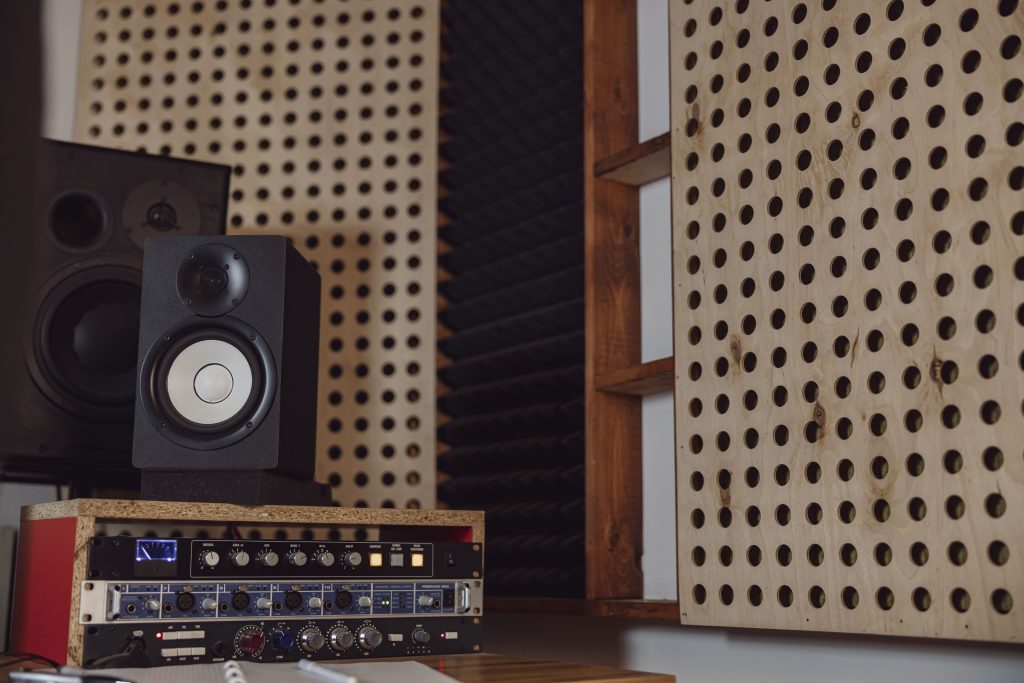
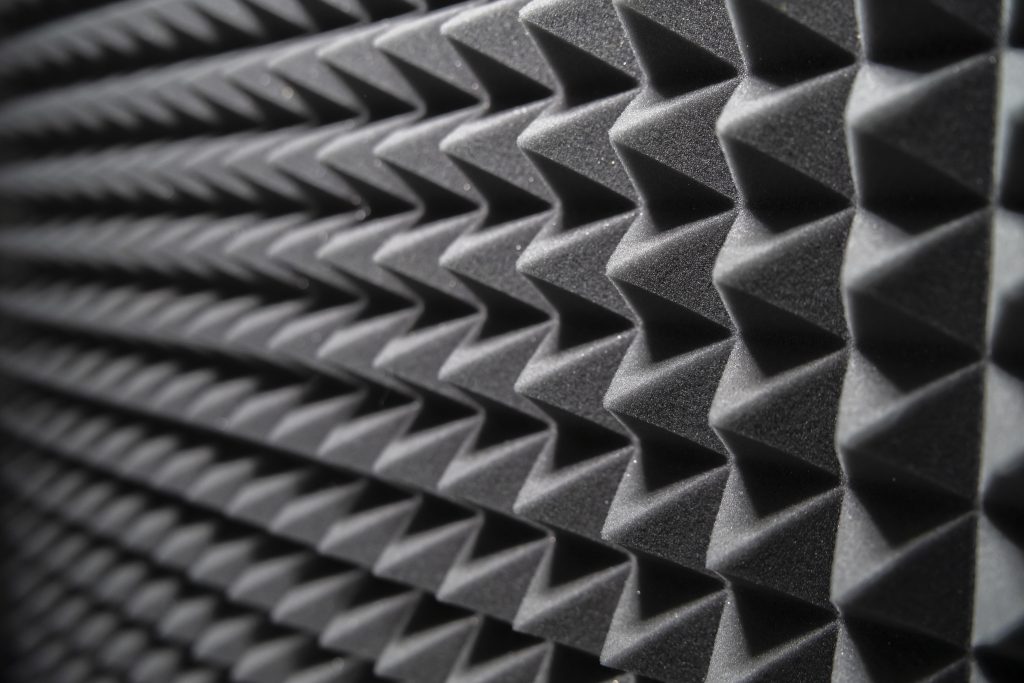
Acoustic panels absorb sound reflections inside a room. They can reduce echoes and excessive reverberation, helping improve speech clarity. However, standard acoustic panels do not necessarily prevent sound from travelling through walls or ceilings. For effective soundproofing, the complete building assembly must be considered.
Soundproofing vs Sound Absorption
Soundproofing and sound absorption address different acoustic challenges. Soundproofing aims to limit sound transmission between spaces. Sound absorption helps control reflections within a room.
For example, soundproofing may help reduce conversations travelling between offices. Acoustic panels may improve speech clarity inside a meeting room. Some environments need both approaches to achieve the desired acoustic performance.
Understanding this difference helps you select suitable products and avoid spending money on treatments that do not address the source of the problem.
How to Choose the Right Soundproofing Solution
Choosing an effective soundproofing system begins with understanding your noise problem. Consider the following factors:
Noise source: Identify whether the noise comes from traffic, conversations, machinery, or neighbouring rooms.
Sound transmission path: Determine whether sound travels through walls, ceilings, floors, doors, windows, or gaps.
Building structure: Consider existing materials, room layout, and construction limitations.
Required performance: Establish the level of noise reduction and privacy your space needs.
Professional assessment: Seek acoustic advice when the noise problem is complex or requires a specialised solution.
These factors can help you choose a practical approach for your building and acoustic requirements.
Soundproofing Solutions for Offices and Commercial Buildings
Offices, boardrooms, conference rooms, and commercial facilities often require better noise management. Soundproofing measures can help reduce sound transmission between rooms and support privacy where needed.
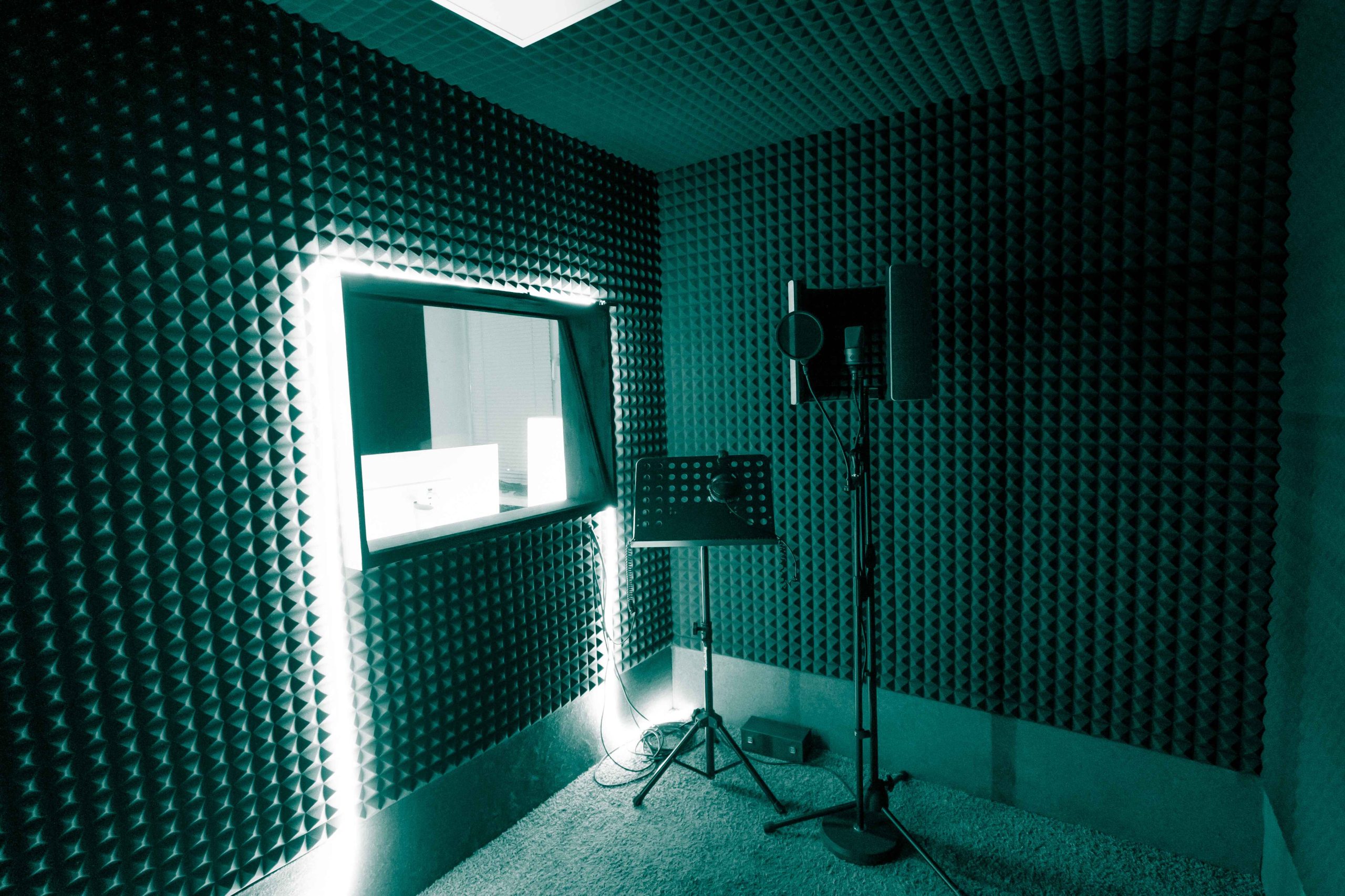
Depending on the building, suitable solutions may include improved wall assemblies, acoustic doors, window upgrades, and carefully sealed openings. Acoustic panels may also help control reverberation within busy indoor spaces.
Mandi Acoustics can help you explore suitable acoustic products and treatments for your project.


Improve Noise Control with Mandi Acoustics
Effective soundproofing starts with choosing the right solution for the noise source and building structure. From wall and ceiling systems to acoustic doors, windows, and insulation, each component can contribute to an overall noise control strategy.
Mandi Acoustics helps customers explore acoustic solutions for a range of environments. Consider your specific requirements before selecting products or planning installation.
Contact Mandi Acoustics today to discuss your acoustic panel requirements and find the right solution for your space.
Call us on 078 562 5428 or contact our sales team