
Acoustic Wall Panels: Improve Sound Quality in Offices
Acoustic Wall Panels: Improve Sound Quality in Offices
Noise in the workplace can make conversations difficult and affect concentration. Echoes, ringing sounds, and overlapping discussions can create an uncomfortable working environment. Acoustic wall panels help absorb sound reflections, making offices quieter and conversations easier to understand.
Mandi Acoustics offers acoustic solutions for workplaces that need better sound management. By choosing suitable materials and panel placements, businesses can improve office acoustics and create a more productive environment.
What Are Acoustic Wall Panels?
Acoustic wall panels are specially designed materials that absorb sound energy when sound waves reach their surfaces. They help reduce reflections that cause echo and excessive reverberation inside a room.
Unlike soundproofing systems, which aim to limit sound transmission between spaces, these panels primarily improve the sound quality within a room. They are useful in offices, boardrooms, reception areas, conference rooms, and other shared workspaces.


Benefits of Acoustic Wall Panels in Offices
Installing the right acoustic treatment can improve how people communicate and work. Here are some key benefits.
1. Reduce Echo and Reverberation
Hard surfaces such as glass, concrete, and painted walls reflect sound around a room. This can make offices sound noisy, especially when several people speak at once.
Acoustic panels absorb some of these reflections, helping reduce echo and excessive reverberation. This makes the room sound more balanced and comfortable.
2. Improve Speech Clarity
Clear communication is important during meetings, phone calls, and everyday discussions. Excessive reverberation can make speech harder to understand.
By controlling sound reflections, acoustic treatment helps people hear conversations more clearly. This is particularly useful in boardrooms, meeting spaces, and open-plan offices.
3. Support Concentration
Background conversations and reflected sound can become distracting in busy workplaces. Acoustic panels help manage the sound environment, reducing some of the noise associated with hard, reflective surfaces.
Although panels do not eliminate every source of noise, they can contribute to a more comfortable workspace when combined with other noise management measures.
4. Enhance Office Design
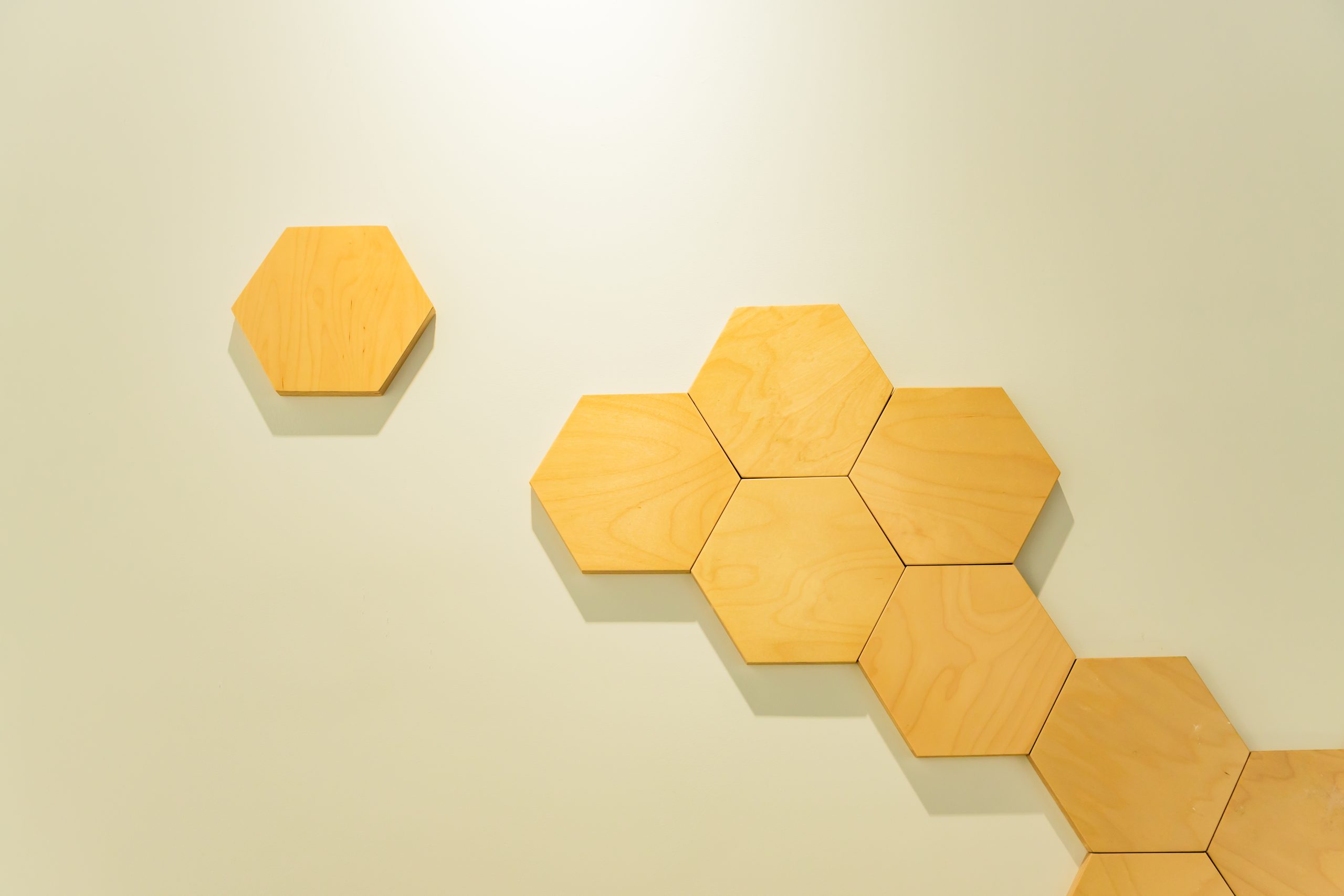
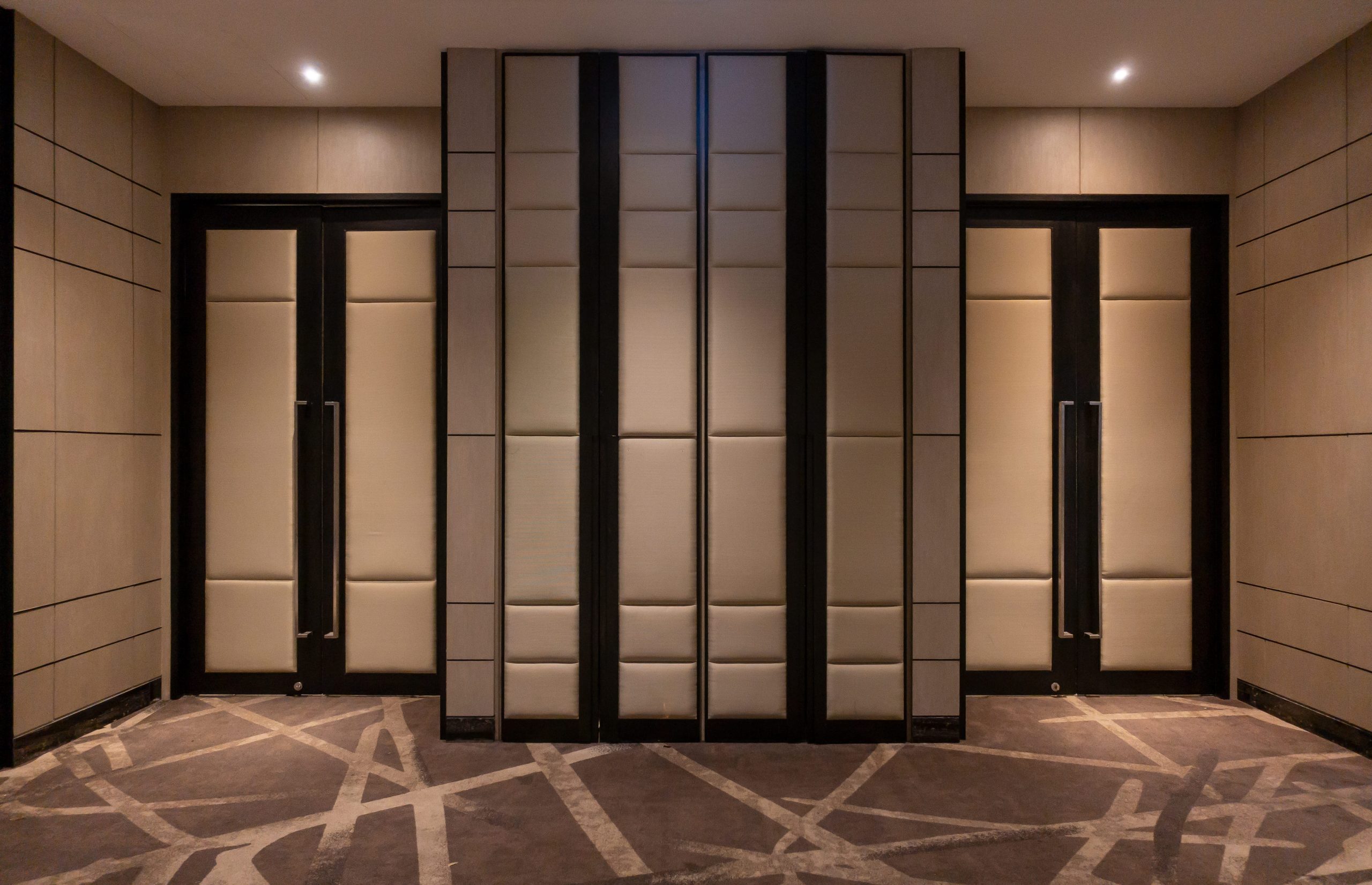
Acoustic treatment does not need to compromise the appearance of a workplace. Panels are available in different colours, shapes, sizes, and finishes to complement modern office interiors.
Businesses can use them to create feature walls while improving room acoustics. This allows practical noise management to become part of the overall interior design.
Where Can Office Acoustic Panels Be Installed?
The best placement depends on the room layout, reflective surfaces, and the activities taking place.
Open-plan offices: Panels can help manage reflections in large shared workspaces where conversations overlap.
Boardrooms and meeting rooms: Acoustic treatment can improve speech clarity during presentations, discussions, and video conferences.
Reception areas: Panels can help control reverberation in spaces with hard flooring, glass walls, and high ceilings.
Private offices: Selected wall treatments can improve the acoustic comfort of rooms used for calls and focused work.
Training rooms: Acoustic panels can help make spoken instructions easier to understand in rooms used for presentations and group learning.
How to Choose the Right Acoustic Wall Panels
Selecting suitable panels involves more than choosing a colour or design. Consider the following factors before making a decision.
1. Sound Absorption Performance
Check the panel’s acoustic performance and the manufacturer’s technical information. The Noise Reduction Coefficient (NRC) is one measure used to describe sound absorption across a range of frequencies.
A higher NRC generally indicates greater average sound absorption under the relevant test conditions. However, the overall result also depends on the room, panel coverage, installation method, and frequency of the noise.
2. Panel Material and Thickness
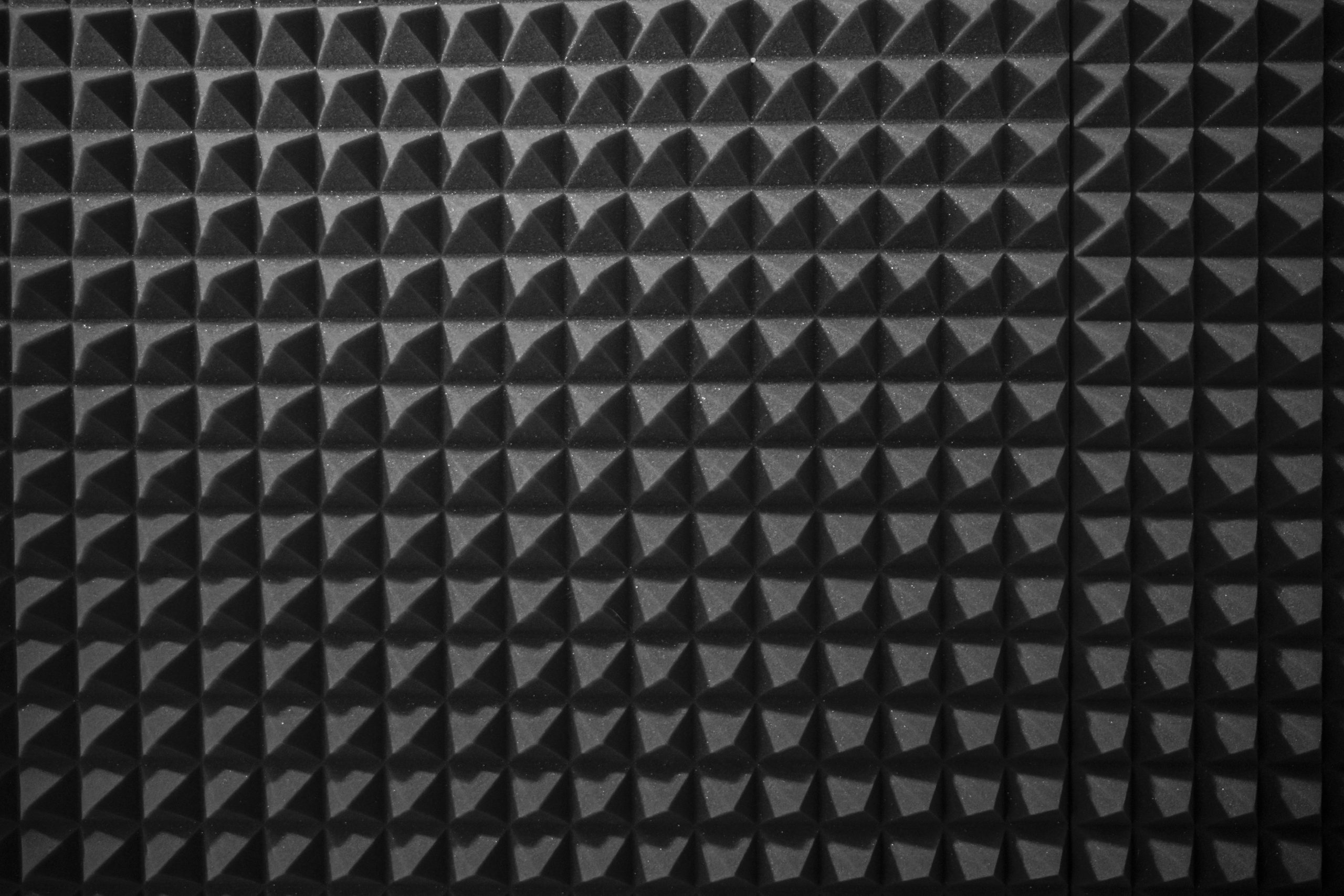
Acoustic panels may use materials such as polyester fibre, mineral fibre, or specialised acoustic foam. Different materials offer different absorption characteristics, finishes, and installation requirements.
Choose a product designed for your application. Consider fire performance, durability, cleaning requirements, and any relevant building regulations.
3. Panel Placement
Correct placement helps determine how effectively the treatment manages sound reflections. Walls opposite reflective surfaces and areas near meeting tables may be useful locations, depending on the room’s acoustics.
A professional assessment can help identify the most important areas to treat. Avoid installing panels randomly without considering the room layout and noise problem.
4. Design and Appearance
Consider how the panels will complement your office furniture, lighting, wall finishes, and company branding. A coordinated design can improve the appearance of the workplace while supporting acoustic performance.
Before purchasing, confirm the available finishes, dimensions, mounting options, and maintenance requirements.
Acoustic Wall Panels vs Soundproofing
Acoustic treatment and soundproofing serve different purposes. Understanding this difference helps businesses select the correct solution.
Acoustic wall panels primarily absorb sound reflections within a room. They help reduce echo and improve speech clarity.
Soundproofing aims to reduce the amount of sound travelling between spaces or entering from outside. This may require specialised wall construction, acoustic doors, sealed gaps, and other building modifications.
For example, if a boardroom sounds echoey, acoustic panels may help. If conversations from the neighbouring office are clearly audible, the wall or other sound transmission paths may need attention.
Some workplaces benefit from both approaches.
Common Mistakes to Avoid
Choosing the wrong acoustic solution can lead to disappointing results. Avoid these common mistakes:
Expecting wall panels to completely block noise from neighbouring rooms.
Selecting panels based only on appearance or price.
Installing too little treatment for the room’s size and use.
Ignoring reflective ceilings, windows, floors, and other surfaces.
Overlooking fire safety and maintenance requirements.
Failing to assess the source of the noise before choosing a product.
A suitable acoustic plan helps ensure that the materials and panel placement match the workplace’s needs.
Why Office Acoustic Planning Matters
Every office has different acoustic challenges. A small meeting room may need a different treatment strategy from a large open-plan workspace.
Consider the room’s dimensions, the number of occupants, the main noise sources, and the activities performed there. These factors help determine the appropriate panel type and coverage.
Professional advice can also help identify whether additional measures, such as ceiling treatment or sound isolation, are needed to achieve the desired result.

Improve Your Office Acoustics with Mandi Acoustics
A noisy office can make communication difficult and reduce comfort throughout the working day. Acoustic wall panels help manage echo and reverberation, supporting clearer conversations and a more balanced sound environment.
Mandi Acoustics can help you explore acoustic solutions suited to your workplace.
Contact Mandi Acoustics today to discuss your acoustic panel requirements and find the right solution for your space.