
Insulation: Benefits & Materials
Acoustic Insulation: Benefits, Applications and Material Selection
Unwanted noise can affect comfort, concentration, and communication in homes and workplaces. Acoustic insulation helps manage sound transmission when incorporated into a suitable building system. Mandi Acoustics provides acoustic solutions for offices, commercial buildings, educational facilities, and other environments where effective noise control matters.
What Is Acoustic Insulation?
Acoustic insulation refers to materials and building systems designed to reduce sound travelling between spaces. These materials can form part of walls, ceilings, floors, and partitions. Their performance depends on the material properties, installation method, and complete construction assembly.
Different materials serve different purposes. Some absorb sound within a room, while others help prevent noise from passing through building structures. Therefore, understanding your specific requirements is essential before choosing a solution
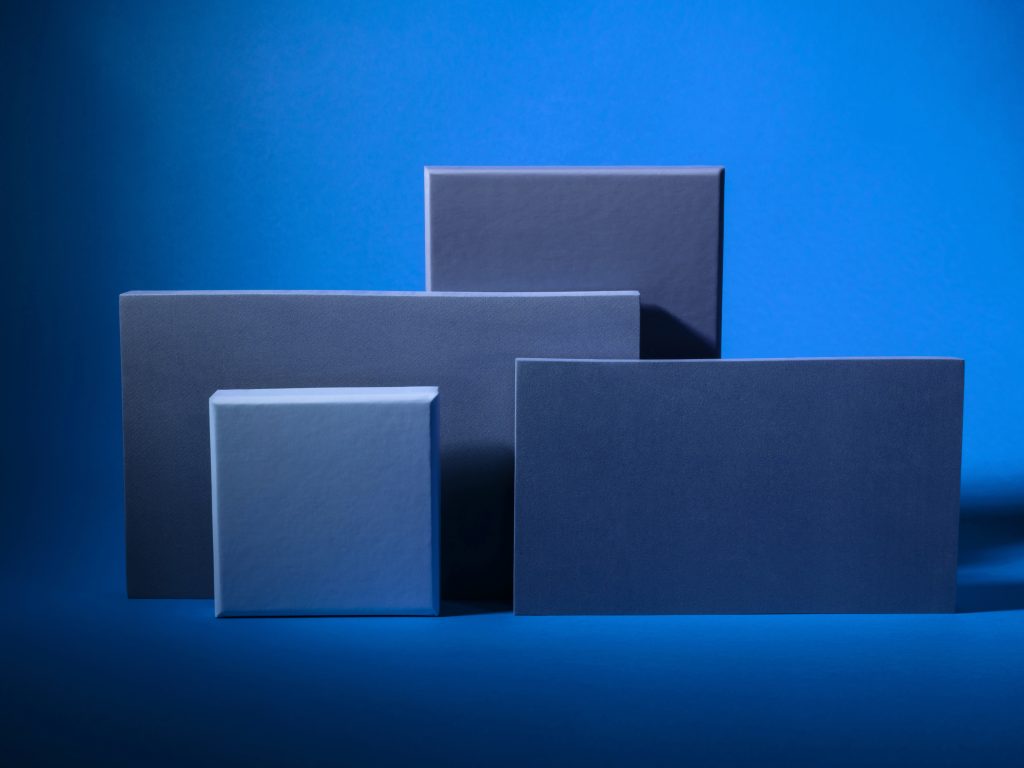

Benefits of Acoustic Insulation
Effective sound insulation can improve comfort and privacy in many environments. When correctly specified and installed, suitable systems can help manage unwanted noise between rooms and from surrounding areas.
Key benefits include:
Better privacy: Reduce sound transmission between offices, meeting rooms, and other occupied spaces.
Improved comfort: Help create quieter environments for working, studying, and relaxing.
Noise management: Address sound travelling through walls, ceilings, floors, and partitions.
Greater flexibility: Choose suitable materials for different building types and project requirements.
Improved working environments: Support better acoustic conditions in offices and commercial facilities.
The results depend on the source of the noise, the building structure, and the performance of the selected system.
Common Acoustic Insulation Materials
Choosing the right material requires an understanding of its properties and intended application. Different products perform differently depending on their density, thickness, structure, and installation.
1. Mineral Wool
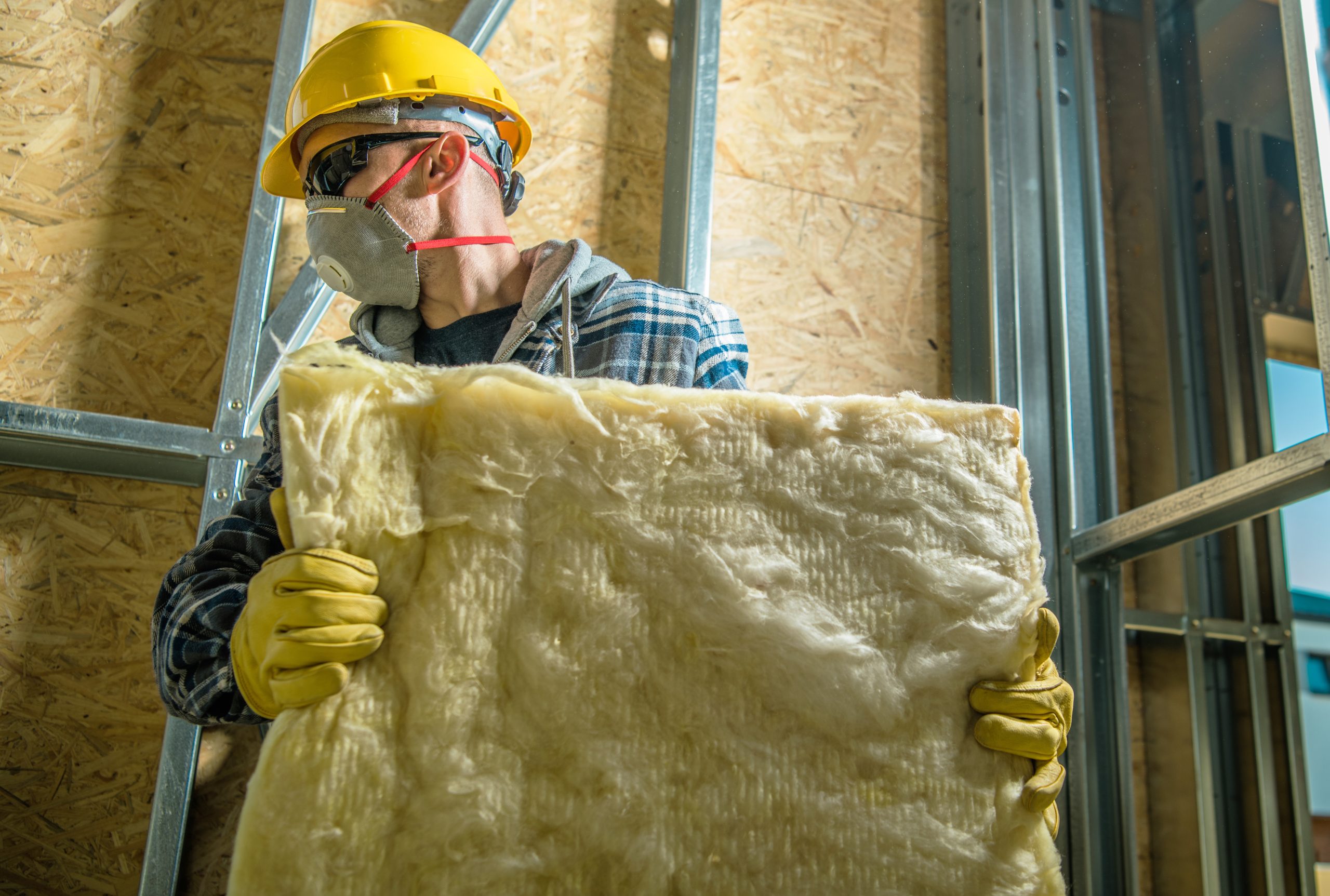
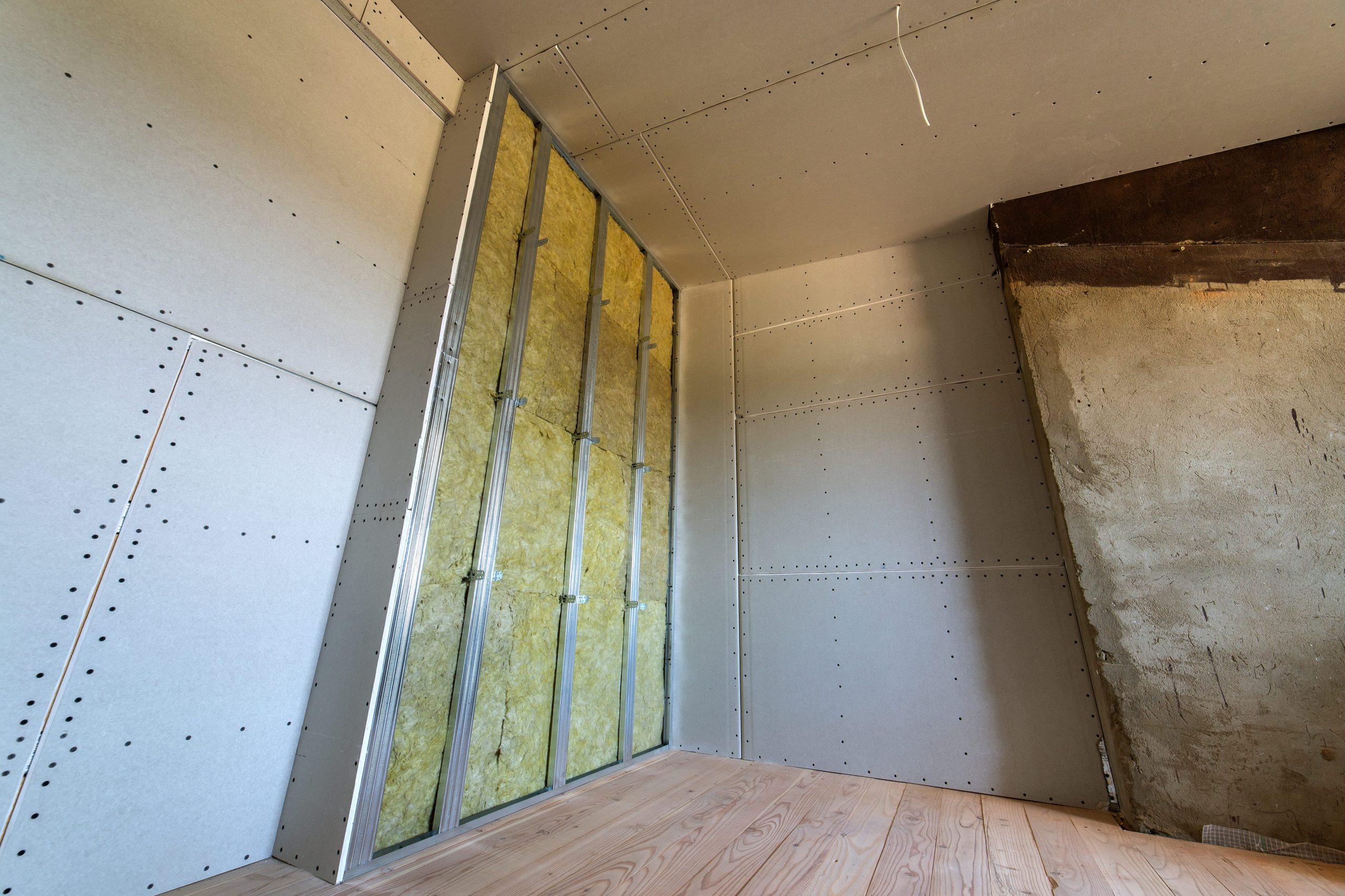
Mineral wool is commonly used within building cavities because its fibrous structure absorbs sound energy. When installed as part of a suitable wall or ceiling assembly, it can contribute to improved sound insulation.
2. Glass Wool
Glass wool is a lightweight fibrous material used in various building insulation applications. It can help absorb sound within wall cavities and ceiling systems. Its overall performance depends on the complete construction design.
3. Acoustic Foam
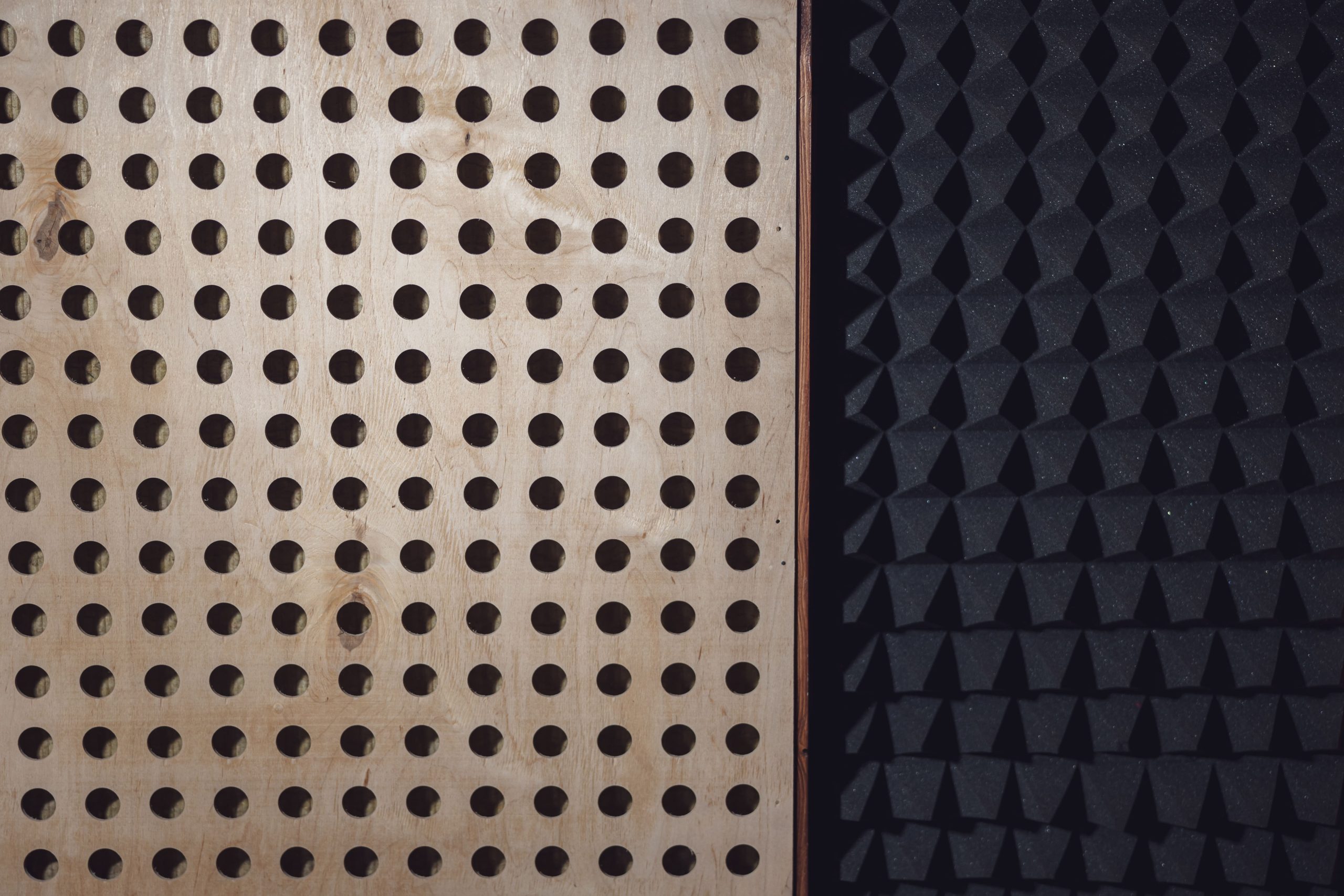
Acoustic foam is primarily used to absorb sound reflections within a room. It can help reduce echoes and excessive reverberation in studios, offices, and other indoor spaces. However, standard acoustic foam alone is generally not sufficient to soundproof a wall.
4. Insulated Wall Systems
Wall systems may combine plasterboard, cavity insulation, framing, and acoustic sealing. The correct combination can help reduce sound transmission between rooms. Professional specification is important because gaps and structural connections can affect the final result.
5. Acoustic Barriers
Specialised barriers can help limit sound transmission when incorporated into an appropriate construction or enclosure system. Their suitability depends on the noise source, required performance, and surrounding building conditions.
Applications of Acoustic Insulation
Different environments face different noise challenges. Selecting suitable materials starts with understanding how each space is used.
Offices and Commercial Buildings
Offices often need privacy between meeting rooms, workspaces, and boardrooms. Suitable wall and ceiling assemblies can help reduce conversations travelling between adjacent areas. Acoustic treatment may also improve sound quality within busy rooms.
Schools and Educational Facilities
Classrooms, lecture halls, and training centres benefit from good acoustic design. Insulation within suitable building systems can help manage sound transmission between rooms. Sound-absorbing treatments may also improve speech clarity inside classrooms.
Residential Buildings
Homes can experience noise from neighbouring properties, shared walls, plumbing, and outdoor activities. Suitable construction systems can help reduce unwanted sound entering living spaces. The best approach depends on the source and transmission path.
Industrial Environments
Factories and equipment rooms may require specialised noise control measures. Depending on the application, solutions can include acoustic enclosures, barriers, insulated partitions, and other engineered systems.
How to Choose the Right Material
Selecting the right product involves more than comparing prices or thicknesses. Consider the following factors before making a decision.
Noise source: Identify whether the problem involves conversations, machinery, traffic, or impact noise.
Installation area: Determine whether the material will be installed in a wall, ceiling, floor, or enclosure.
Required performance: Establish how much sound reduction the project requires.
Building structure: Consider the existing materials, available cavity space, and construction limitations.
Safety and durability: Check fire performance, moisture resistance, maintenance needs, and relevant product specifications.
Professional advice: Consult an acoustic specialist for complex noise problems or projects requiring measured performance.
These considerations help ensure that the selected materials suit the building and its intended use.
Acoustic Insulation vs Sound Absorption
Sound insulation and sound absorption perform different functions. Sound insulation aims to reduce sound passing from one space to another. Sound absorption reduces reflections within a room, helping control echoes and reverberation.
For example, insulation within a partition can help limit conversations travelling into an adjoining office. Acoustic wall panels can improve speech clarity within the office itself.
Some projects require both approaches. Combining suitable construction systems with effective room treatment can address sound transmission and indoor acoustics more comprehensively.
Depending on the building, suitable solutions may include improved wall assemblies, acoustic doors, window upgrades, and carefully sealed openings. Acoustic panels may also help control reverberation within busy indoor spaces.
Mandi Acoustics can help you explore suitable acoustic products and treatments for your project.
Why Professional Installation Matters
Even suitable materials may deliver disappointing results if they are installed incorrectly. Small gaps, poorly sealed joints, and untreated openings can allow sound to bypass an insulated structure.
A well-planned installation considers the entire assembly, including doors, windows, service penetrations, and connections between walls and ceilings. This approach helps reduce weak points and supports more consistent acoustic performance.
Find the Right Acoustic Solution with Mandi Acoustics
Choosing suitable insulation begins with understanding your building, noise challenges, and performance requirements. From commercial offices and educational facilities to residential and industrial environments, each project needs an appropriate approach.
Mandi Acoustics can help you explore acoustic products and solutions suited to your application. Consider the source of the noise, the installation area, and the results you want to achieve.
Contact Mandi Acoustics today to discuss your acoustic panel requirements and find the right solution for your space.
Call us on 078 562 5428 or contact our sales team