
Acoustic Doors: Choosing Soundproof Doors
Acoustic Doors: What to Look for When Choosing Soundproof Doors
Unwanted noise can affect concentration, comfort, and privacy in homes and workplaces. Acoustic doors help reduce sound transmission when the correct door system is selected and installed. They are useful in offices, recording studios, schools, and commercial buildings.
Mandi Acoustics helps clients explore acoustic solutions for different environments. Understanding the features of soundproof doors can help you choose a solution that suits your space and noise control requirements.
What Are Acoustic Doors?
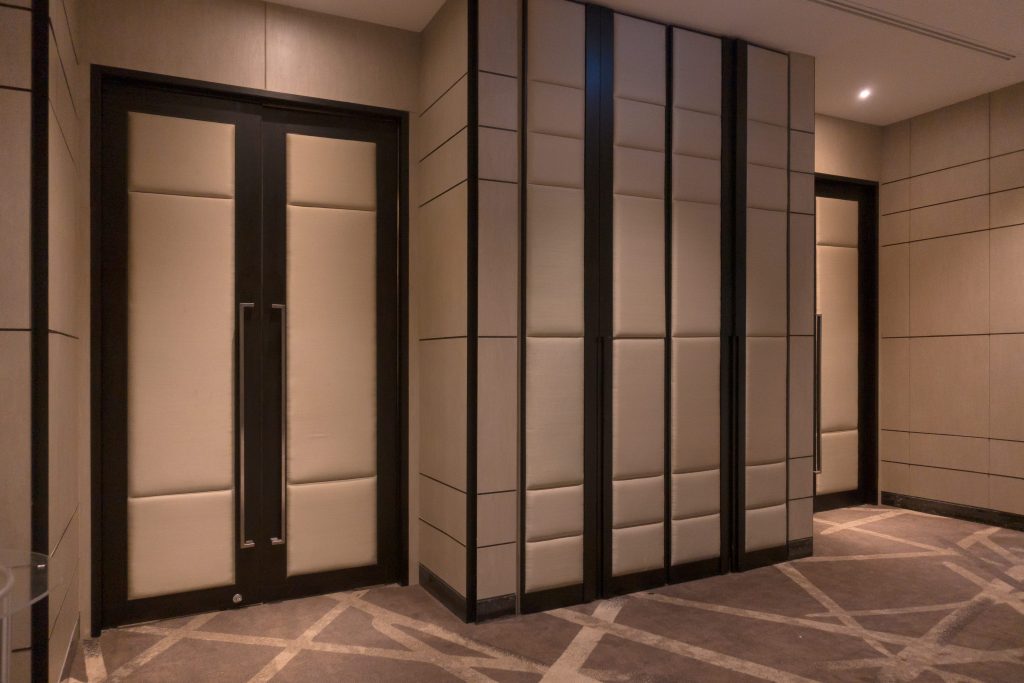
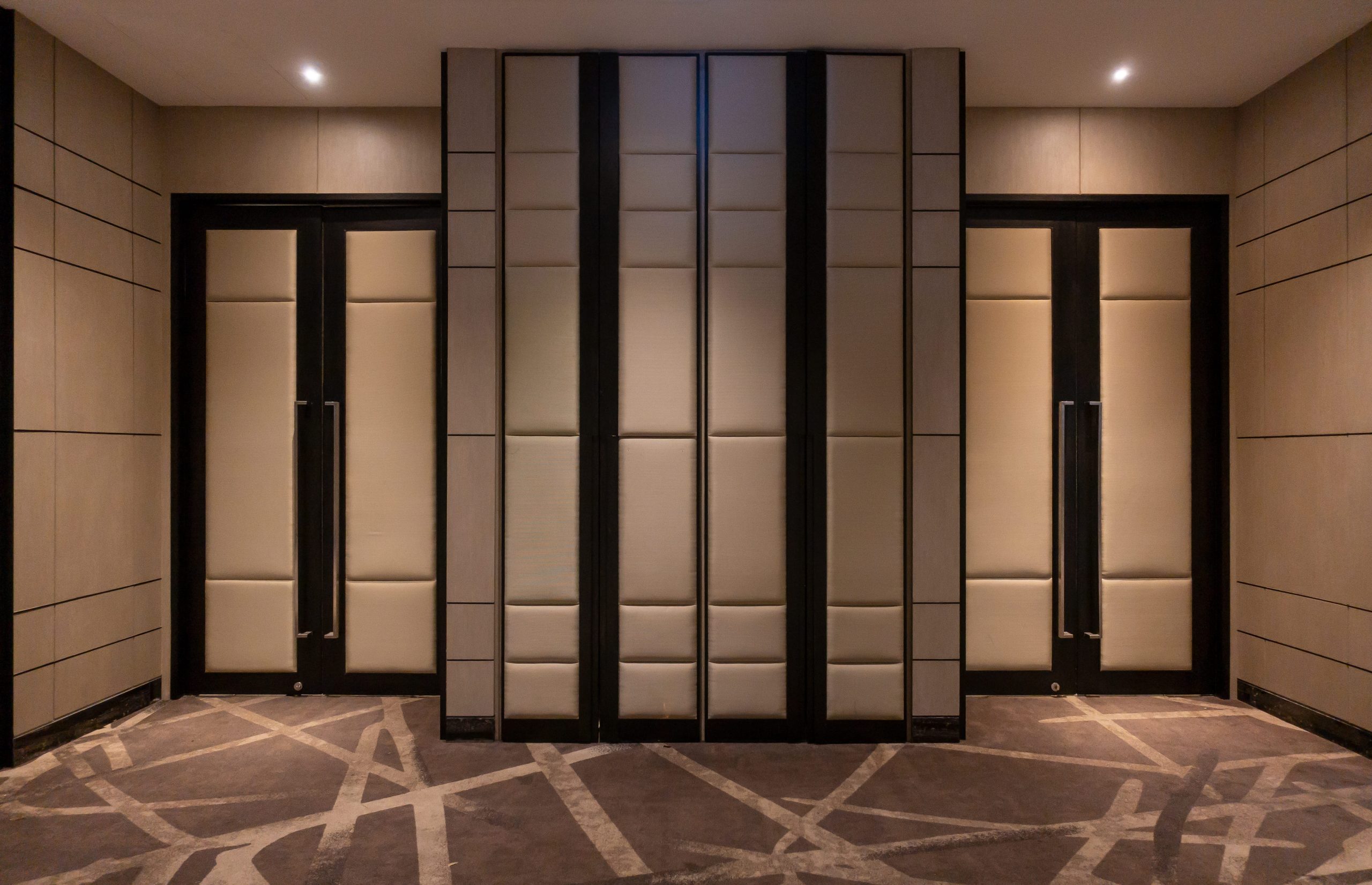
Acoustic doors are designed to reduce the amount of sound passing between rooms or buildings. They often feature specialised door cores, strong frames, and acoustic seals to limit noise transmission.
Unlike standard doors, these systems are selected according to their tested sound insulation performance. The door, frame, seals, and installation all contribute to the final result.
Benefits of Acoustic Doors
Installing the right door system can offer several benefits:
Improved privacy: Helps reduce speech transmission between meeting rooms and offices.
Reduced noise: Helps control unwanted sound between adjoining spaces.
Better working environments: Supports concentration in offices, studios, and educational facilities.
Enhanced comfort: Helps create quieter spaces for work, learning, and relaxation.
Suitable for different applications: Available for various commercial, industrial, and residential requirements.
The level of noise reduction depends on the door’s specifications and the surrounding building construction.
5 Features to Consider When Choosing Acoustic Doors
1. Sound Insulation Rating
Check the tested sound insulation rating before selecting a door. Ratings such as Sound Transmission Class (STC) or Weighted Sound Reduction Index (Rw) help indicate how well a door assembly reduces airborne sound.
A higher rating generally indicates better sound insulation under the relevant test conditions. Choose a rating that matches your noise control requirements rather than relying on appearance alone.
2. Acoustic Seals
Gaps around a door can allow unwanted sound to pass through. Quality acoustic seals help close these gaps around the sides, top, and bottom of the door.
Look for a sealing system designed for the selected door. Proper adjustment and regular maintenance are important for maintaining performance.
3. Door Material and Construction
Door construction affects its ability to reduce sound transmission. Some acoustic doors use dense materials or specialised layered cores to achieve their specified performance.
However, a heavier or thicker door does not automatically guarantee effective sound insulation. Always check the tested performance of the complete door system.
4. Frame and Installation Quality
Even a high-performance door may deliver poor results if the frame is incorrectly installed. Gaps between the frame and surrounding wall can create additional paths for sound.
Professional installation helps ensure that the door closes correctly and that the seals work as intended. The surrounding wall should also provide suitable sound insulation.
5. Durability and Safety Requirements
Consider how frequently the door will be used and the conditions of the installation area. Busy offices and industrial facilities may require durable hardware and reliable closing mechanisms.
Also check whether the project requires fire resistance, smoke control, accessibility features, or specific building compliance. These requirements must be considered alongside acoustic performance.
Where Are Soundproof Doors Used?
Different environments have different noise control needs. Acoustic doors can be considered for applications such as:
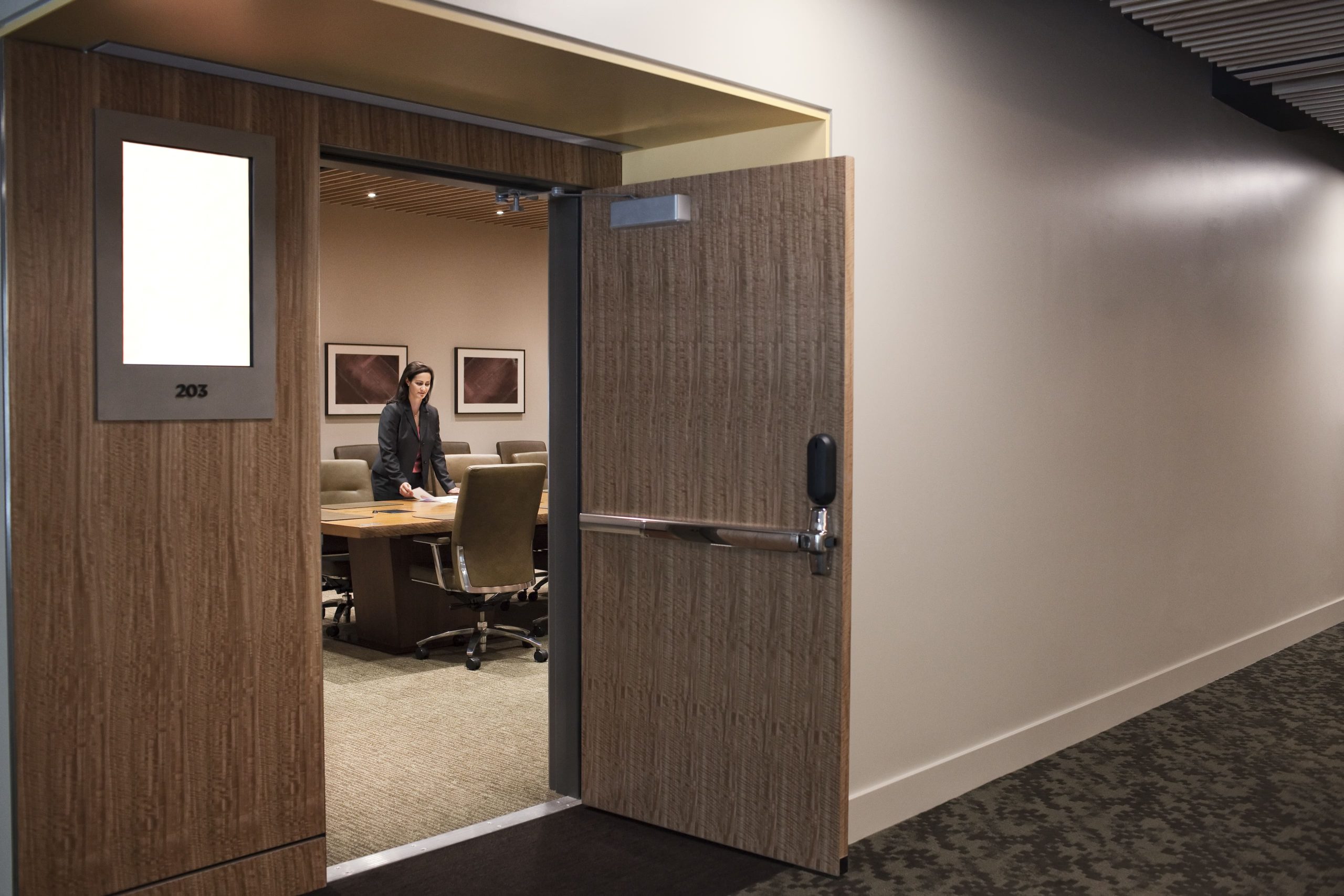
Offices and Boardrooms
Acoustic doors can help reduce speech transmission between meeting rooms, offices, and shared workspaces. This supports privacy and helps limit distractions.
Recording Studios
Studios require careful control of sound entering and leaving recording spaces. A suitable door system should work alongside sound-insulated walls, ceilings, and other acoustic treatments.
Schools and Training Facilities
Doors designed for sound insulation can help manage noise between classrooms, training rooms, and adjoining areas. The appropriate specification depends on the building layout and required performance.
Industrial Buildings
Machinery and equipment can generate significant noise. Acoustic doors may help separate noisy operational areas from quieter workspaces when integrated into a suitable noise control design.
Residential Properties
In homes, sound-insulating doors may help reduce noise between selected rooms. The outcome depends on the door system, surrounding walls, and other sound transmission paths.
Acoustic Doors vs Standard Doors
Standard doors are not always designed to achieve a specific level of sound insulation. Acoustic doors are selected according to tested performance and the needs of the space.
A solid-core door may provide better sound insulation than a lightweight hollow-core door. However, it should not automatically be considered equivalent to a purpose-designed acoustic door.
For the best results, assess the complete opening, including the door leaf, frame, seals, and surrounding construction. Noise may also travel through walls, ceilings, windows, and ventilation systems.
How to Choose the Right Acoustic Doors
Before making a decision, identify the main source of noise and determine how much sound reduction your space requires.
Use these steps to guide your selection:
Identify whether the noise comes from conversations, machinery, traffic, or other sources.
Determine the level of privacy or sound isolation required.
Compare tested acoustic ratings from suppliers.
Check the frame, perimeter seals, and bottom sealing system.
Confirm compatibility with the surrounding wall and building requirements.
Arrange professional installation where necessary.
You can also consult the Sound Transmission and Insulation in Buildings handbook for further guidance on sound insulation in building design.
Why Professional Installation Matters
Choosing the correct product is only one part of effective noise control. Poor installation, gaps, and unsuitable surrounding construction can reduce the performance of an acoustic door.
Professional guidance helps identify potential weaknesses and ensures that the selected system suits the application. Regular inspection and seal maintenance can also help preserve its performance over time.

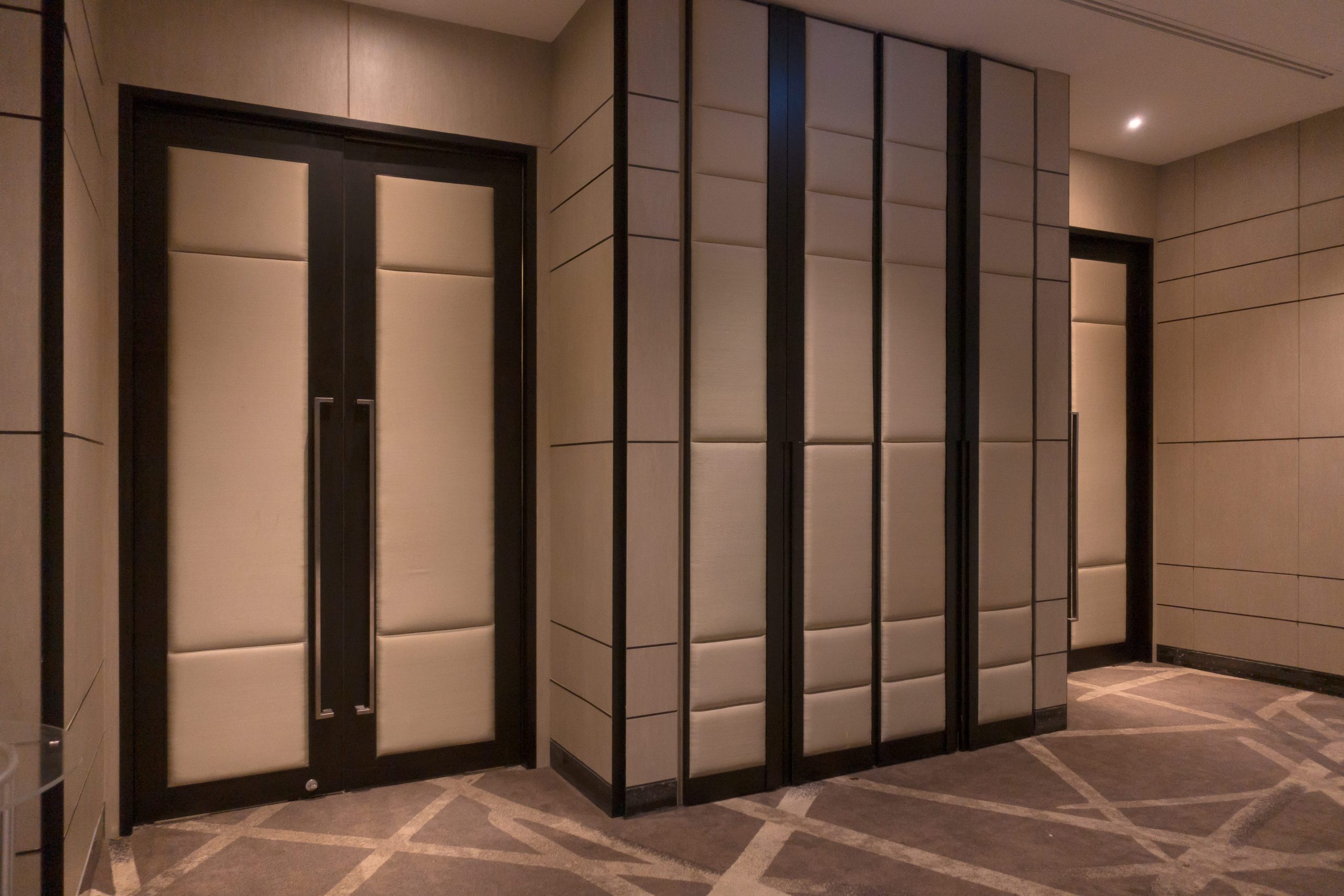
Find the Right Acoustic Solution with Mandi Acoustics
Choosing suitable acoustic doors can help improve privacy and reduce unwanted noise in offices, studios, commercial buildings, and other environments. Consider the tested performance, sealing system, durability, and installation requirements before making your decision.
Mandi Acoustics can help you explore acoustic solutions for your project.
Contact Mandi Acoustics today to discuss your acoustic panel requirements and find the right solution for your space.
Call us on 078 562 5428 or contact our sales team